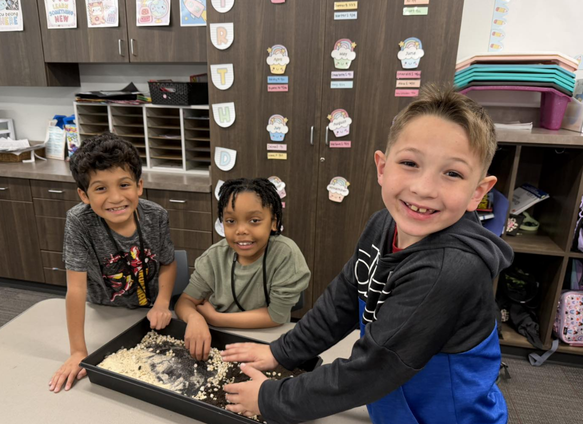
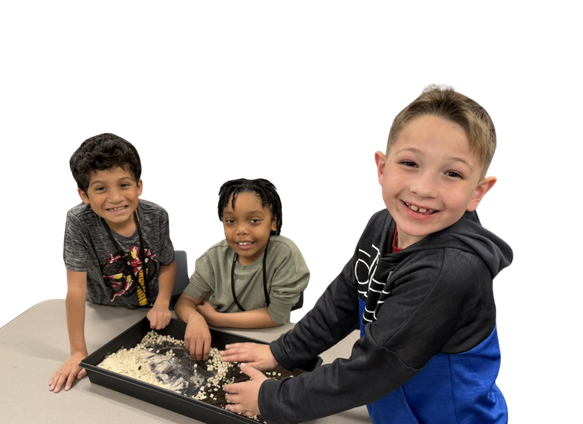
STEM and STEAM programs in Texas public schools teach science, technology, engineering, arts, and math through hands-on, real-world learning that prepares students for college and careers. This page explains the difference between STEM and STEAM, the benefits to students, and connections to career pathways and certifications, with an FAQ on availability, prerequisites, and support for different learning styles.
Curiosity in action
WHAT IS STEM? WHAT IS STEAM?
STEM is the acronym for Science, Technology, Engineering, and Math.
STEAM programs blend STEM with arts education for a more well-rounded educational approach.
What is STEM learning?
STEM education provides an approach to education that teaches kids problem-solving skills and how to apply scientific methods in everyday life.
Students are taught:
Computational and critical thinking
Real-world problem solving
Application of scientific methods in everyday life
What is STEAM learning?
STEAM education involves the practice of Science, Technology, Engineering, Arts, and Mathematics assessed through each other. STEAM enhances problem-solving skills while understanding artistic values.
Students are taught:
STEM and STEAM programs are offered in public schools across Texas, including elementary, middle, and high school campuses.
Yes. STEM and STEAM programs are offered within public school districts as part of the regular curriculum and specialized program options.
No. These programs are designed to support students at different skill levels and introduce concepts as they progress through school.
Availability may vary by district and campus, but many public schools offer STEM and STEAM learning opportunities for students.
Yes. At the high school level, some programs align with career-focused pathways and may include opportunities to explore fields such as engineering, technology, and other related areas.
Some high school STEM programs offer opportunities for students to earn certifications connected to their area of study.
Yes. These programs often focus on applying knowledge to real-world situations and problem-solving experiences.
STEM and STEAM programs use a mix of hands-on activities, collaboration, and problem-solving approaches to support different ways students learn.
No. STEM and STEAM learning opportunities are available starting in earlier grade levels and continue through high school.
Families can contact their local school district or visit district websites to learn about available STEM and STEAM programs and opportunities.
STEAM/STEM has a variety of valuable skills that can benefit your scholar starting at a young age. With plenty of programs and services, STEM/ STEAM enhances better learning experiences for a successful academic journey.