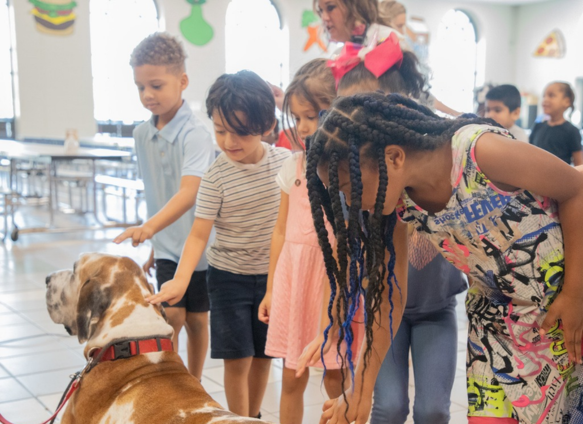
School counselors support students' academic, social, and emotional development from elementary through high school. This page describes the different types of counselors, how they help students succeed and plan for the future, and how they collaborate with teachers and families, along with an FAQ and resources for elementary and middle school.
Someone in your corner
Typers of School Counselors?
Schools often have different types of counselors based on grade level and student needs:
Elementary Counselors
Middle School Counselors
High School Counselors
Specialized Counselors
How School Counselors Support Students
From kindergarten to high school, school counselors are essential in helping students thrive. They assist learners academically, emotionally, and in planning for the future-working together with teachers and families to create a safe, supportive environment.
Counselors guide students through:
Academic development - helping them set goals, manage coursework, and build strong study habits
College and career advisement - supporting post-graduation planning, from FAFSA to college options and career paths
Social and emotional support - offering a safe space for students dealing with personal challenges, conflict, or stress
Elementary School Counselors Focus on early emotional development, helping students learn how to identify feelings, make friends, solve problems, and build self-confidence. They often lead classroom lessons on topics like empathy, respect, and decision-making, and provide gentle support for students adjusting to school routines or family transitions.
Middle School Counselors Help students navigate increased academic expectations and social changes. They assist with course selection, time management, and goal setting while also supporting emotional needs related to peer relationships, identity, and self-esteem. Middle school counselors often introduce early career exploration and high school readiness tools.
High School Counselors Play a key role in preparing students for life after graduation. They help with credit tracking, college and scholarship applications, FAFSA, and career paths. They also provide support for stress, anxiety, or major life events, ensuring students stay on track academically and emotionally.
Specialized Counselors In larger districts, students may also have access to counselors focused on specific needs-such as crisis response, mental health support, or college and career advising. These professionals often work alongside general counselors to expand services and meet the diverse needs of today's students.
Mental Health Concerns
While school counselors are not licensed to diagnose conditions or prescribe medication, they are trained to recognize signs of mental health or learning challenges and refer families to qualified professionals when needed. Access to school-based mental health support has been shown to improve student outcomes-boosting attendance, reducing discipline issues, and helping students feel more connected to school.
School Counseling FAQ
School counseling is a support service provided in public schools that helps students with their academic success, personal development, and future planning. School counselors work to ensure students are supported throughout their school experience.
School counselors support students by helping them with:
Academic planning and progress
Social and emotional development
Goal setting and decision-making
College and career readiness
They work to support the whole student experience in school.
School counselors help students stay on track by supporting:
Course selection and academic planning
Goal setting for academic success
Monitoring student progress
Their goal is to help students stay engaged and successful in school.
Yes. School counselors also support students' social and emotional development, helping them navigate challenges that may impact school success.
Yes. School counselors help students prepare for the future by supporting college and career exploration and planning.
All students in public schools can access school counseling services as part of the school's support system.
Students may receive support with:
Academic concerns
Personal or social challenges
Future planning and goal setting
Counselors provide guidance to help students succeed in school.
Yes. School counseling services are provided as part of the public school support system within the school environment.
School counseling is important because it helps students:
Stay on track academically
Develop personal and social skills
Plan for their future education and careers
School counselors support success by providing guidance, encouragement, and structured planning support throughout a student's academic journey.
To contact your child's counselor, start with your school's front office or visit your district's counseling webpage. Counseling sessions are confidential, though exceptions may apply in situations involving student safety.